Gardening plays a central role in mental health support as Men’s Sheds connect isolated men around the world
Behind modest community workshops and tucked away in village halls, city allotments, and rural backyards around the world, a quiet revolution is flourishing. Men’s Sheds – shared spaces where men come together to work, talk, and reconnect – are helping thousands rediscover purpose, friendship, and hope through gardening and hands-on projects.
What are Men’s Sheds?
Originating in Australia in the 1990s, Men’s Sheds were created to address a growing crisis of loneliness among men, particularly those who had retired, lost loved ones, or found themselves unemployed. Traditional mental health services often failed to reach them. But these Sheds offered something different: informal spaces where men could gather without pressure, to build, fix, and plant alongside others.
The concept quickly spread beyond Australia. Today, Men’s Sheds exist in more than 12 countries, each adapting the model to suit local cultures. Yet one common thread is found in nearly every Shed: gardening, a simple yet powerful activity that supports healing, connection, and purpose.
Gardening as a tool for connection
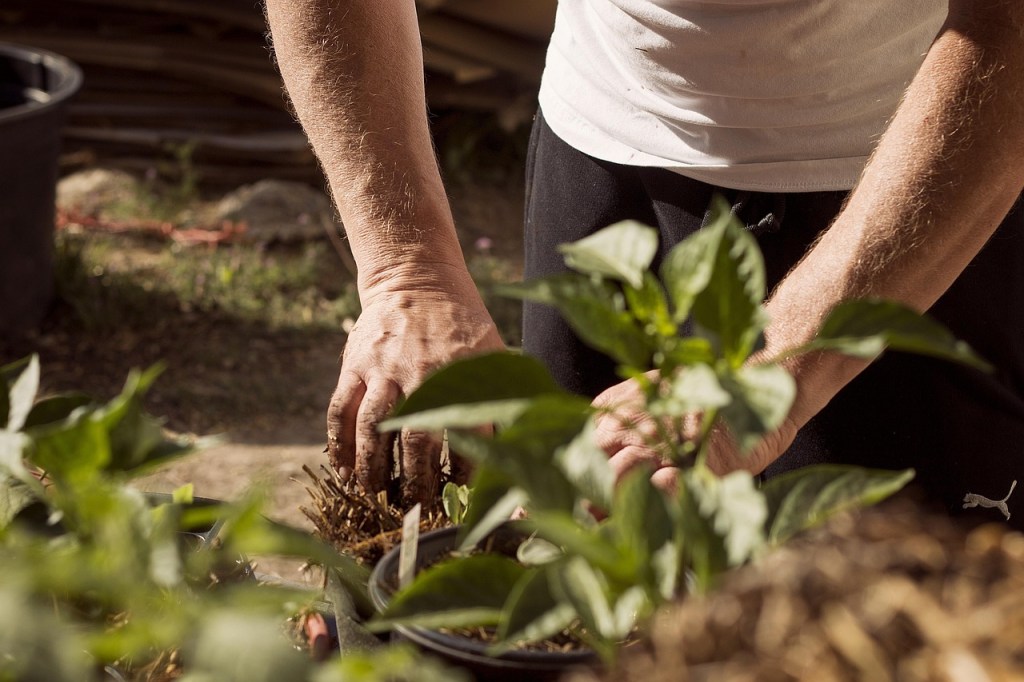
From raised beds in small towns to flourishing vegetable plots in urban centres, Men’s Sheds encourage nurturing plants as a way for men to nurture themselves
From raised beds in village plots to lush allotments in city centres, gardening has become a cornerstone of many Men’s Sheds – a quiet yet powerful way for men to reconnect with themselves and each other.
In the UK, there are around 1,100Men’s Sheds, many of which have embraced gardening as a core activity. Whether it’s tending vegetables, building planters, or maintaining communal green spaces, the simple act of working with soil offers structure, purpose, and peace.
Men’s Sheds across the UK are diverse, offering everything from woodwork and metalwork to arts, crafts, and walking football. This variety helps men of different ages and backgrounds find their place. Yet gardening stands out as especially inclusive: no tools or experience required – just time, hands, and patience. The visible results, whether in flowers or food, offer a quiet but deeply rewarding sense of achievement.
Many Sheds support wider communities through their gardens. Some grow food for local charities, others build sensory gardens for schools or host intergenerational planting sessions that bring older and younger people together. These efforts not only build skills but break down social barriers and combat loneliness on a broader scale.
Patsy McCormack, member of the Moate Men’s Shed movement in Ireland, describes the power of these activities:
“We have workshops in our shed where we do different activities, which lead to accidental conversations about participants’ lives. They just get into a zone of talking and everything starts to flow.”
“They (participants) just get into a zone of talking and everything starts to flow.”
Patsy McCormack
In rural Ireland, where pubs and traditional social spaces have diminished, Men’s Sheds have become vital hubs of community life. Gardening offers a calming rhythm, a shared project, and a reason to get outdoors.
This model of healing through horticulture extends far beyond the UK and Ireland. In New Zealand, the Men’s Shed model has been reshaped to reflect the country’s unique culture – blending community spirit, a focus on men’s mental health, and respect for Māori traditions – to create welcoming spaces where men connect, contribute, and support one another. Across Canada, Men’s Sheds provide welcoming spaces where men connect through hands-on projects like woodworking, repairs, and community volunteering.
Addressing a global mental health crisis
Men’s Sheds create a safe, practical space where healing happens quietly – over soil, seed, and shared effort
Stigma around mental health means many men hesitate to seek traditional forms of help. Men’s Sheds don’t require men to talk about their feelings. Instead, they create a safe, practical space where healing happens quietly – over soil, seed, and shared effort.
Gardening’s role in this healing is profound. Soil beneath the fingernails, the gentle act of planting or pruning, and the anticipation of growth provide both comfort and purpose. For many, it offers a reminder of life’s cycles and resilience, a balm to mental and emotional wounds.
“When you’re down at the shed, working shoulder to shoulder, the conversation just happens. That’s how you shed the load and look after your mental health.”
The Hon Dan Repacholi MP
As this global movement grows, it reminds us that connection to nature and to one another can be a powerful antidote to isolation. For gardeners around the world, the story of Men’s Sheds is an example of how cultivating a garden can also cultivate community and wellbeing – no matter where you are.
I write about what draws me in — whether it’s a community garden helping people feel less alone, a quiet moment on the road, or everyday ways we reconnect with ourselves and each other. Through travel, gardening, and reflections on mental health, this space explores how we find meaning, connection, and calm in a busy world.
Whether you’re here for insight, inspiration, or just a thoughtful read, I’m glad you’re here.



 Charlotte Olivia Olver
Leave a comment