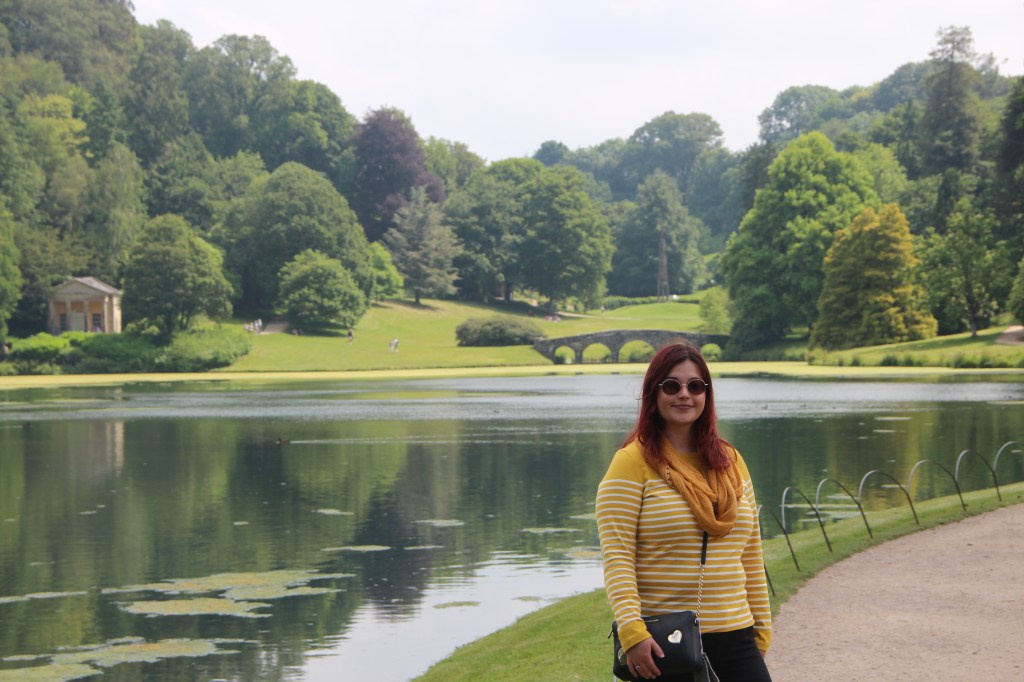
The appeal of solo garden visits in a busy world
There’s a shift happening in travel that’s easy to notice if you’ve spent time with booking engines, airport lounges, or National Garden Scheme diaries. Increasingly, people are choosing to travel on their own – and gardens are often on the itinerary.
Solo travel is no longer niche. In 2024, 28 per cent of domestic overnight trips in Great Britain were taken by solo travellers, up from previous years, with solo trips also showing the highest average spend per person of any group size. Women make up a large share of this market, with UK operators reporting that nearly 70 per cent of solo bookings are by women.
There are many reasons behind the rise in solo travel: personal growth, escape from routine, flexibility, and the simple pleasure of exploring at one’s own pace. For many, this exploration is not about beaches or city breaks but slower, more mindful experiences – often wandering through gardens.
In the UK, gardens are more than local delights; they are tourism magnets. Oxford Economics reports that gardens and parks contribute billions to the UK economy each year, attracting millions of visitors. Around one-third of international visitors include at least one garden or park in their itinerary. VisitBritain’s latest activity data show that visiting parks or gardens featured in around 12.6 million trips to Britain, making it almost as common as other major activities such as eating out or shopping.
While official statistics do not track whether people visit gardens alone or in groups, the popularity of both solo travel and garden visits suggests that many trips are likely undertaken independently. Gardens offer a pace and intimacy that suits solo exploration: a chance to walk slowly, reflect, and notice details that might otherwise be missed. Visitors can choose which border to linger at, which bench to sit on, and how long to stay. Many gardens are free or low-cost, fitting perfectly into itineraries built around contemplation rather than consumption.
Solo travel does not mean solitude all the time. Many people mix alone time with social moments, from shared meals with new acquaintances to evening concerts at local arboretums or talks where strangers become temporary companions. The core pleasure lies in travelling with oneself as the first choice of company. There is a neat symmetry between solo travel and gardening. Both are about tending something – experience, memory, and curiosity – on one’s own terms. In a cultural moment where experiences increasingly matter more than possessions, and where independence and self-care are prized, gardens are made for solo wandering, a slower, more personal kind of travel.

 Charlotte Olivia Olver
Leave a comment